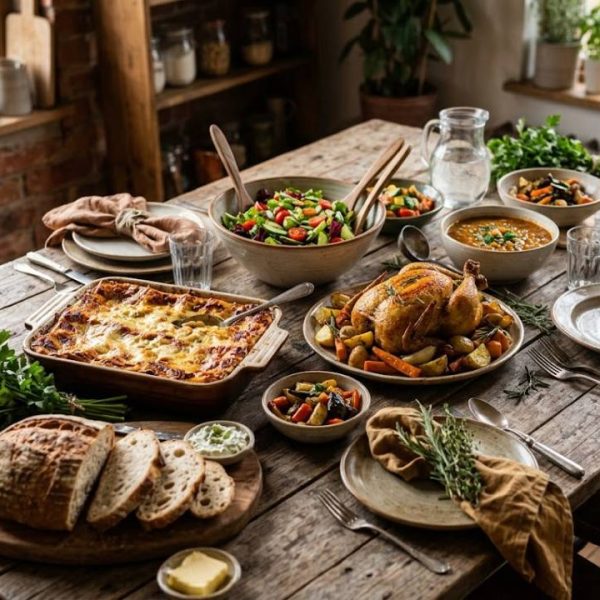
Food tells the story of a family faster than any photograph. A pot simmering on the stove, a loaf cooling on the counter and a table full of cousins can turn an ordinary evening into a memory that lasts for decades. This guide looks at how to bring that spirit into your own kitchen, one practical habit at a time.
Start With a Simple Weekly Plan
Planning is the quiet secret behind relaxed home cooking. Choose four or five dinners, write down the ingredients and shop once. You waste less food, spend less money and stop the nightly question of what to cook.
Shop Seasonal and Local Whenever Possible
Vegetables picked at the right time taste better and cost less. Visit a local market, ask the seller what is best this week and build your menu around the answer. Seasonal cooking keeps meals varied without effort.
Keep a Small but Smart Pantry
A good pantry saves tired evenings. Stock rice, pasta, beans, canned tomatoes, olive oil, spices and flour. With these basics and a few fresh items you can cook a satisfying meal in about thirty minutes.
Learn Recipes Passed Down in Your Family
Ask a grandparent or an older neighbour to cook with you and write down every step. Many treasured dishes live only in memory. Recording them protects the flavours of your childhood for the next generation.
Explore Dishes From Other Cultures
Trying a new cuisine is the cheapest way to travel. If you enjoy reading menus from abroad, a english to dutch translation can help you understand regional recipes and cooking terms before you shop for ingredients. Read more about the official dietary guidance when you adapt unfamiliar dishes.
Master Three Basic Techniques
Roasting, sauteing and simmering cover most weeknight meals. Practise each until it feels natural. Once you understand heat, timing and seasoning, recipes become suggestions rather than strict rules.
Season in Layers for Deeper Flavour
Add a little salt at each stage instead of all at the end. Onions, sauce and finished dish each deserve a pinch. Taste often, adjust slowly and finish with fresh herbs or a squeeze of lemon.
Respect the Role of Fresh Herbs
A handful of parsley, basil or dill lifts a plain dish at almost no cost. Grow a small pot on the windowsill so they are always within reach. Fresh herbs make home food taste like a restaurant plate.
Bake Bread at Home Once a Week
Few things fill a house with warmth like the smell of baking bread. A basic loaf needs flour, water, yeast and salt. The process is mostly waiting, which makes it ideal for a relaxed weekend.
Cook Once and Eat Twice
Make a larger pot of soup, stew or sauce and save half. Leftovers become lunch the next day or a quick dinner later in the week. Batch cooking is kind to both your schedule and your budget.
Store Food Safely to Keep It Fresh
Cool cooked food quickly, use airtight containers and label them with the date. Keep raw meat on the lowest shelf of the fridge. Good storage habits protect your health and reduce waste.
Set the Table Even on Ordinary Days
A cloth, a candle and real plates change the mood of a simple meal. When the table looks inviting, people slow down and talk. The ritual matters as much as the recipe itself.
Cook Together With Children
Kids who wash vegetables, stir batter or crack eggs learn to enjoy food rather than fear it. Give them small safe jobs and plenty of praise. Early kitchen memories shape healthy habits for life.
Document Your Cooking Stories
Many home cooks now film short clips of their dishes. If you want a talking recipe, a service for voice over recording can add a clear narration in several languages, as explained in this PoliLingua guide. Good sound makes a simple video feel professional.
Share Meals With Neighbours and Friends
Invite someone over for soup and bread. Sharing food builds trust faster than almost any other gesture. A small dinner party does not need a perfect menu, only an open door and a warm welcome.
Build a Personal Recipe Collection
Keep a notebook or a digital folder with the dishes you love. Add notes about changes, timing and who enjoyed what. Over the years it becomes a personal cookbook that reflects your life.
Balance Comfort Food With Lighter Dishes
There is room on the table for both a creamy gratin and a crisp salad. Aim for variety across the week rather than perfection at every meal. Balance feels sustainable, and sustainable habits last.
Learn From Mistakes in the Kitchen
Every cook has burned a sauce or oversalted a soup. Treat each error as a lesson. Write down what went wrong, adjust the next attempt and remember that most failures are still edible.
Reduce Waste With Creative Leftovers
Stale bread becomes breadcrumbs or soup, vegetable peels become stock and ripe fruit becomes jam. Seeing scraps as ingredients is a habit that saves money and respects the work behind every product.
Final Thoughts
Good home cooking is built from small, repeatable habits rather than complicated recipes. Plan a little, shop with care, cook with friends and share what you make. Start with one idea from this guide this week and let the kitchen become the warmest room in your home.